
Most merchants think payment costs are “just the rate,” then spend months negotiating a few basis points while quietly leaking far more money through avoidable operational gaps. The real savings usually come from cost reduction opportunities that sit outside the headline processing rate: hidden network fees, data quality penalties, fraud...
Cost Transparency in Merchant Services Explained
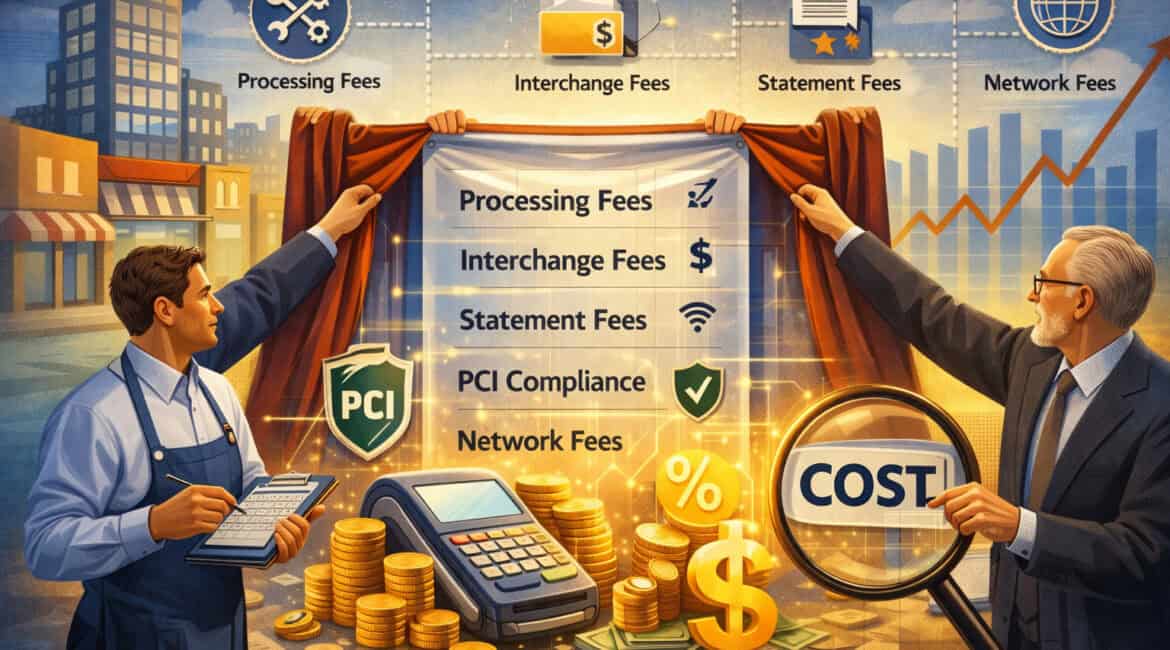
Cost transparency in merchant services is the difference between guessing what you pay to accept cards and knowing exactly what you pay, why you pay it, and what you can realistically lower. When cost transparency in merchant services is strong, your pricing is clear, your statement is understandable, and every...
How to Audit Your Merchant Processing Costs

Merchant processing costs can quietly become one of the biggest “invisible” expenses in your business. They’re often treated like a fixed cost—something you accept because payments are complicated. But merchant processing costs are not fixed. They’re a mix of pass-through fees, processor markup, and optional services that can be changed,...
Buy Now Pay Later BNPL: Should Your Business Offer it

Buy now, pay later, or BNPL, services are gradually becoming a preferred payment method for consumers. This allows them to pay for purchases at a convenient later date. It might be an excellent strategy for businesses as it can increase sales and optimize conversion rates. Which is why it's becoming...
How to Optimize Your POS System for Fee Reduction
Optimizing your POS system for fee reduction is one of the fastest, most controllable ways to improve margins without cutting service or raising prices. In the United States, payment acceptance costs are a blend of interchange, card-brand assessments, and processor markup—plus the soft costs of chargebacks, fraud, and bad checkout...
How to Reduce POS Subscription Fees Without Sacrificing Features
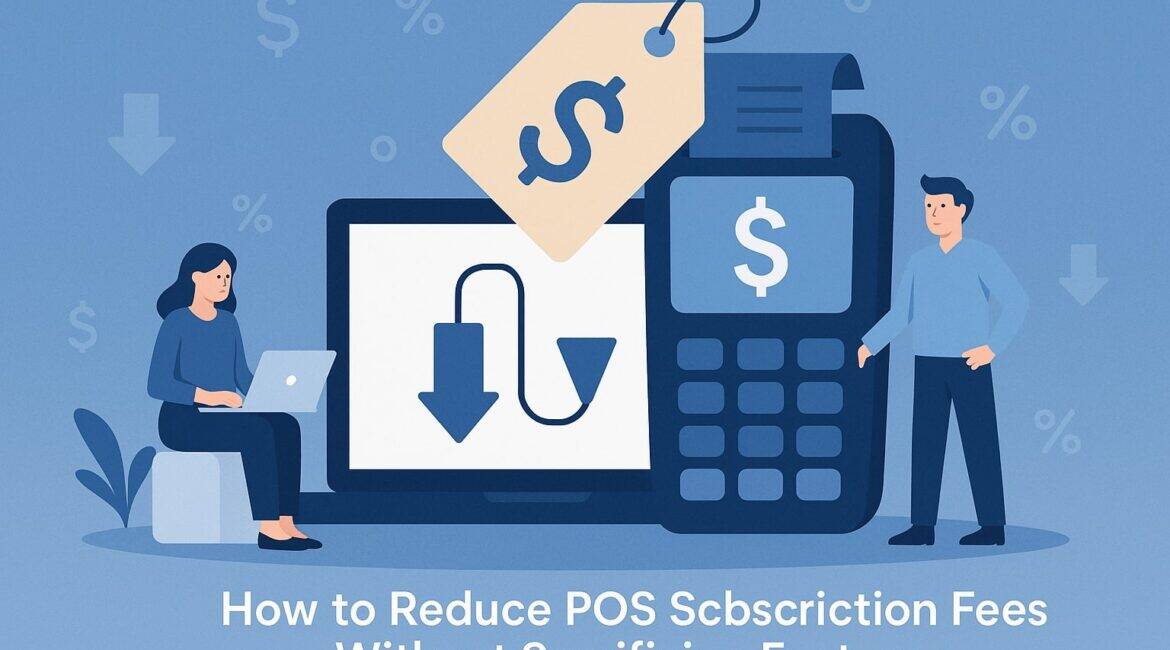
Running lean without losing capability is the dream—especially when it comes to POS subscription fees. For many U.S. retailers, restaurants, salons, and service businesses, the monthly cost of point-of-sale software creeps up as locations, staff seats, and add-ons multiply. The good news: you can lower POS subscription fees while keeping...
How Membership-Based Merchant Pricing Works
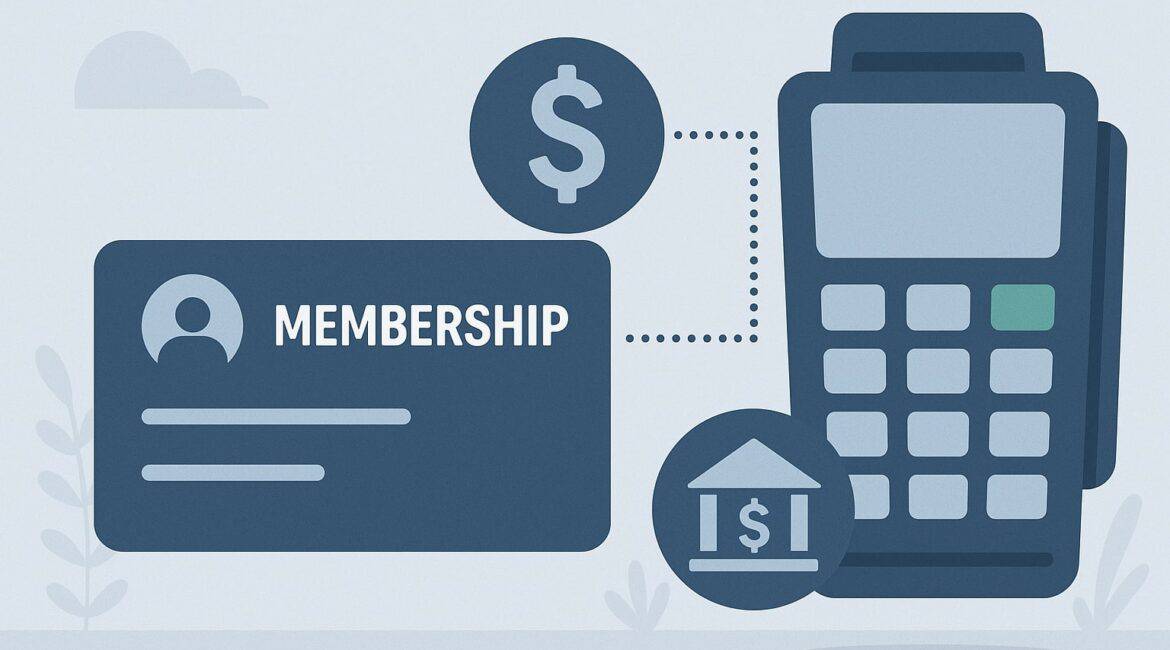
Membership-based merchant pricing is a payment processing model where a business pays a fixed membership (or subscription) fee to access wholesale interchange and network costs, plus a small, transparent processor markup. Instead of paying a blended percentage on every sale, the merchant decouples its processing costs from sales volume. The...
Merchant Savings Programs: How They Actually Work
Merchant Savings Programs are the playbook U.S. businesses use to take control of card-processing costs without wrecking the customer experience. In a world where every basis point matters, the right program can turn interchange and assessment fees from a black box into a predictable, manageable line item. This guide breaks...
How to Audit Your Merchant Statement for Savings
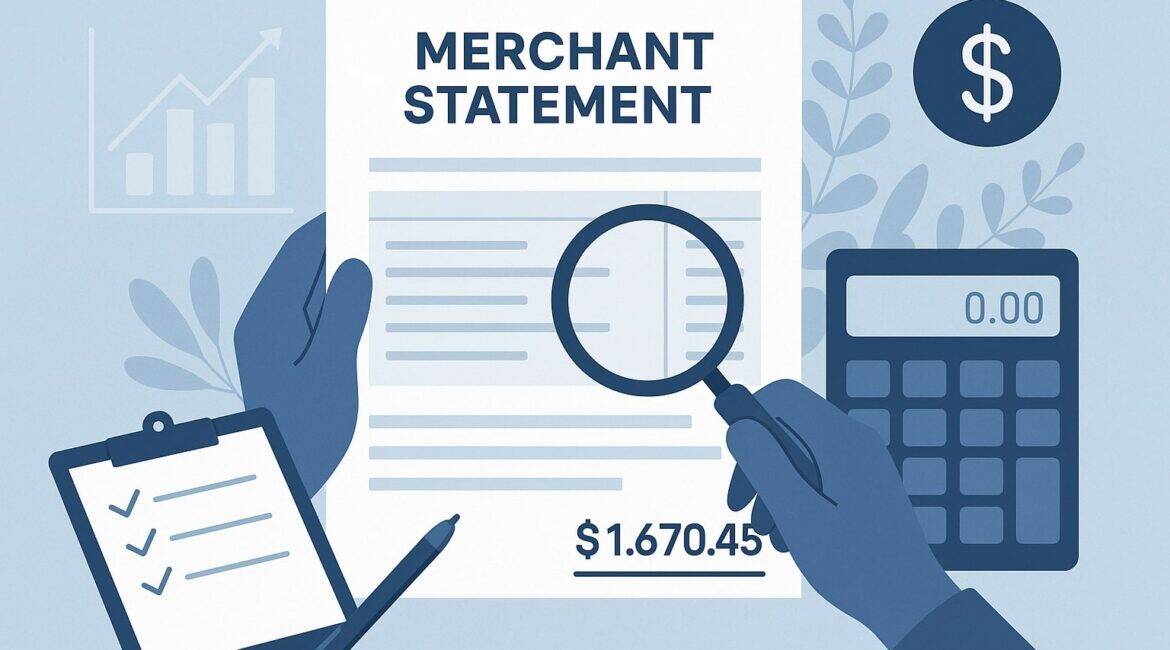
Auditing your merchant statement for savings is one of the quickest ways to lower payment acceptance costs without changing your point-of-sale or disrupting your customers. The trick is understanding what each line item really means, spotting leakages, and knowing which levers you can ethically and compliantly pull. In this guide,...
Common Hidden Fees in Merchant Statements (and How to Avoid Them)

Merchant statements should help you understand what you pay to accept cards, not bury you in fine print. Yet many U.S. businesses discover unexpected costs only after the bill hits their bank account. Hidden fees in merchant statements often hide behind vague labels, blended pricing, and confusing schedules, making it...