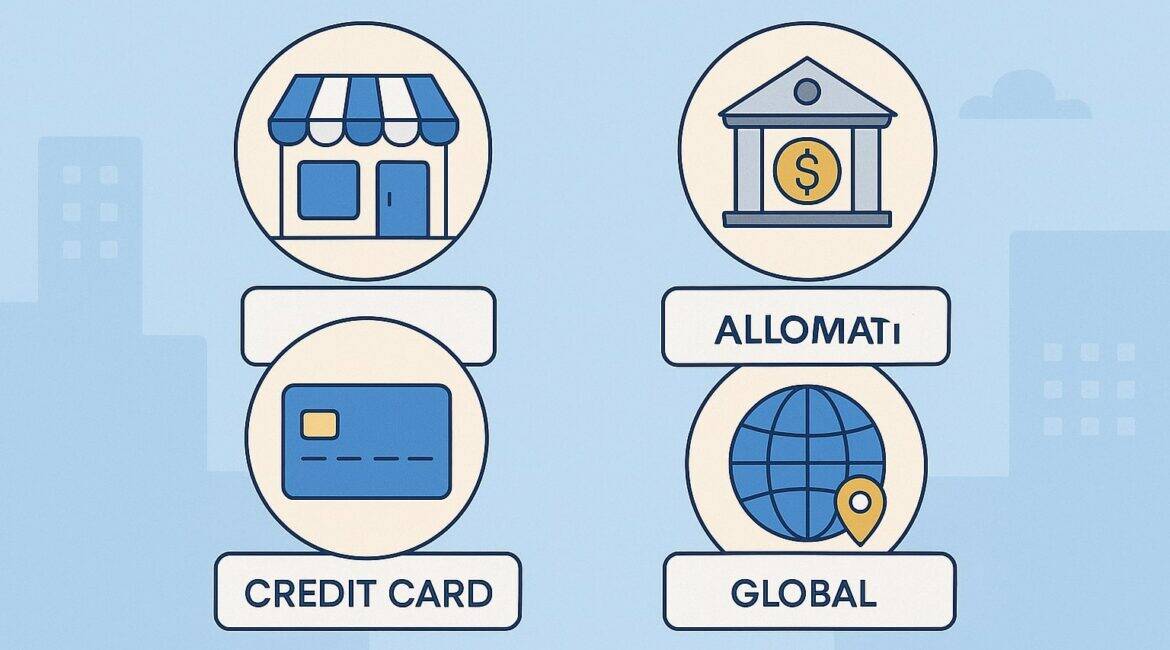
Merchant accounts are specialized bank accounts that enable businesses to accept credit and debit card payments. In the United States, where consumers overwhelmingly use electronic payments, having the right merchant account is critical for any business that sells products or services. In fact, global non-cash retail transactions have grown rapidly...
How Payment Processing Works: A Step-by-Step Guide
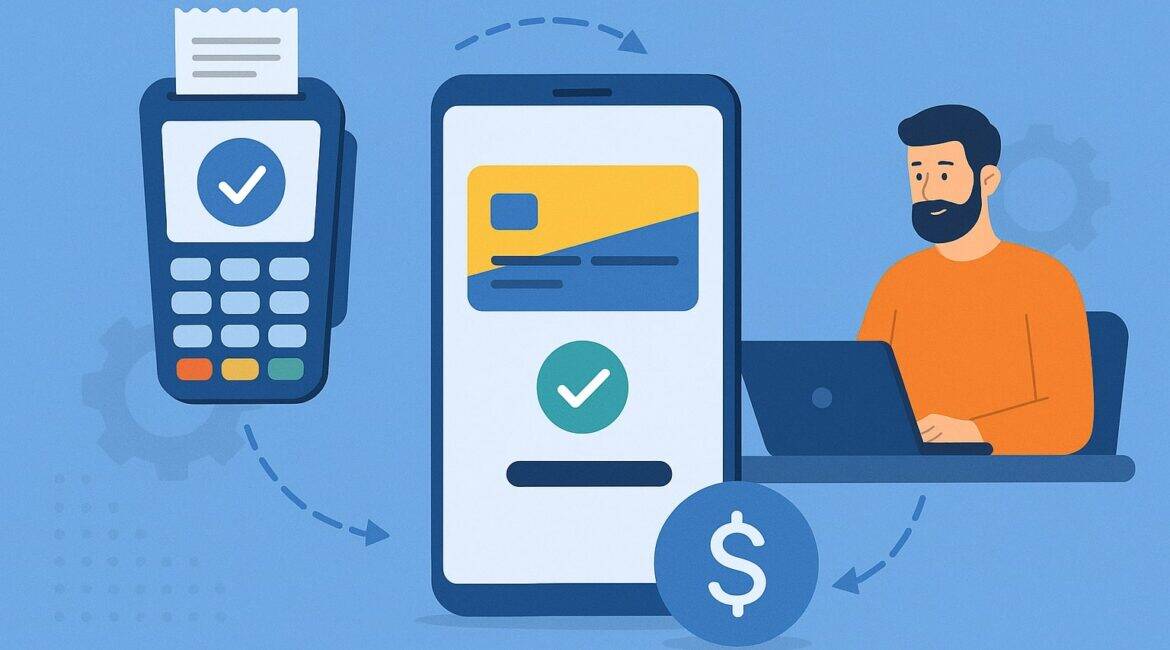
Payment processing is the behind-the-scenes system that lets businesses accept credit cards, debit cards, and other electronic payments online or in-store. When a customer pays—whether by tapping a card at checkout or clicking “Pay” on a website—secure payment data is routed through multiple intermediaries before funds arrive in the merchant’s...
What Are Merchant Services? A Complete Beginner’s Guide
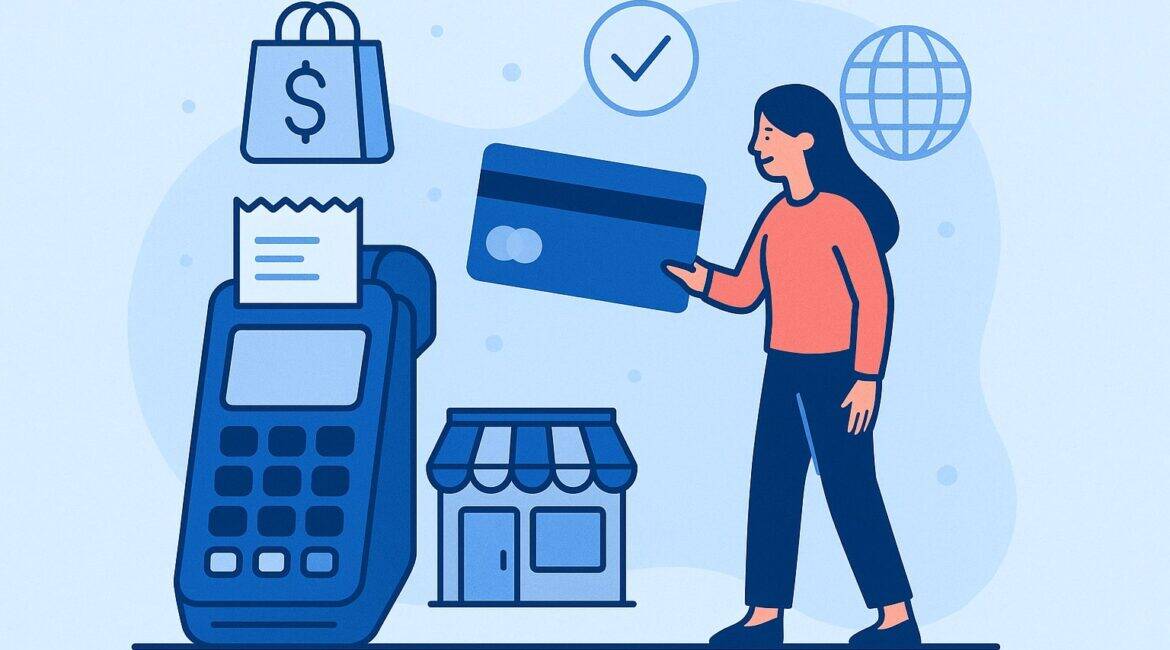
Merchant services are the financial tools and systems that enable a business to accept and process payments from customers. This includes credit cards, debit cards, electronic checks (ACH), mobile wallets (Apple Pay, Google Pay), and online payments. In other words, merchant services turn customer payments into business funds. In today’s...
The Pros and Cons of Membership-Based Merchant Services Programs

Payment processing fees have long been one of the most annoying expenses for business owners. The merchant pays a fee to facilitate the transaction each time a customer taps their phone or swipes their card, in addition to receiving revenue. These expenses, which are typically a mix of markup, interchange,...
Tokenization & Encryption: How Data Security Cuts Transaction Costs

In today’s payment scenario, consumers demand each and every transaction to be instant, seamless and secure. With digital payments on the rise, so are the worries of fraud, data breaches and mounting compliance costs. But payment security isn’t simply a matter of protecting data it can also be an effective...
What to Do When Your Processor Increases Fees Unexpectedly

In today's competitive business landscape, it is not uncommon for payment processors to increase their fees unexpectedly. This can be a significant challenge for businesses of all sizes, as it can impact their bottom line and profitability. When faced with a fee increase from your processor, it is essential to...
How to Conduct a Fee Audit on Your Credit Card Processing Account

In today's digital age, credit card processing has become an essential part of running a business. However, many merchants are unaware of the fees associated with credit card processing and may be overpaying without even realizing it. Conducting a fee audit on your credit card processing account is a crucial...
Practical Ways to Reduce Credit Card Transaction Fees
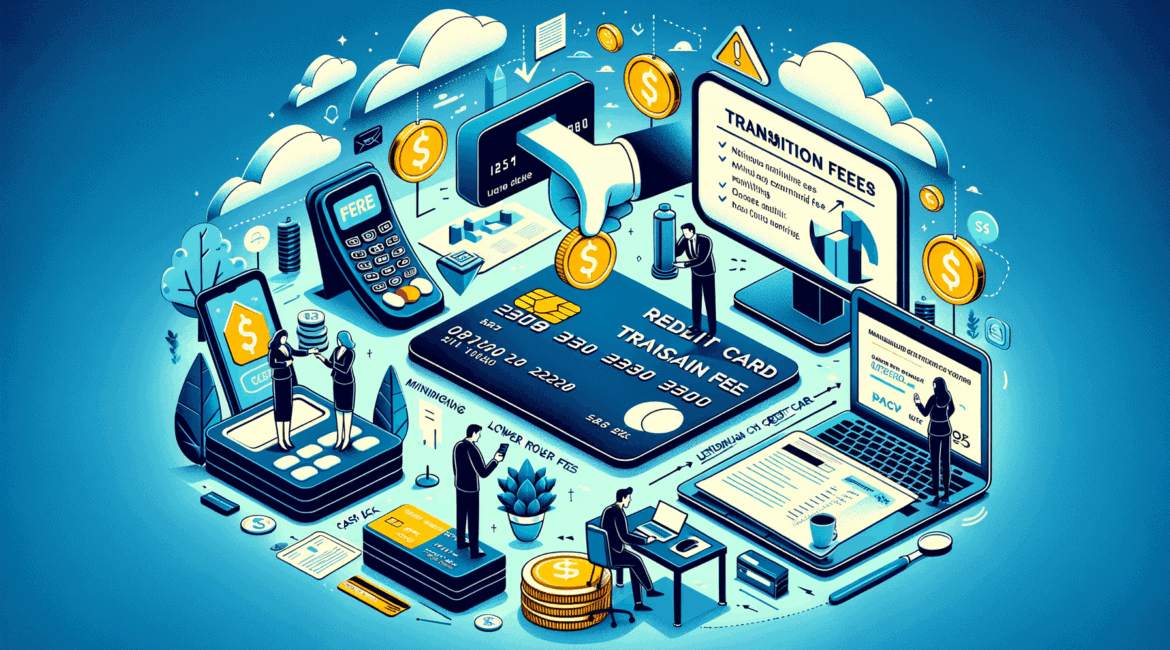
In today's digital age, credit card transactions have become a common method of payment for businesses of all sizes. However, with the convenience of accepting credit cards comes the burden of transaction fees that can eat into profits. As a business owner, it is essential to understand how credit card...
How to Identify Hidden Fees in Your Merchant Services Agreement

Merchant services agreements are contracts between a business and a payment processor that allow the business to accept credit and debit card payments from customers. These agreements outline the terms and conditions of the payment processing services, including fees, rates, and other important details. While many businesses focus on the...
How Credit Card Processing Works for Small Business Owners
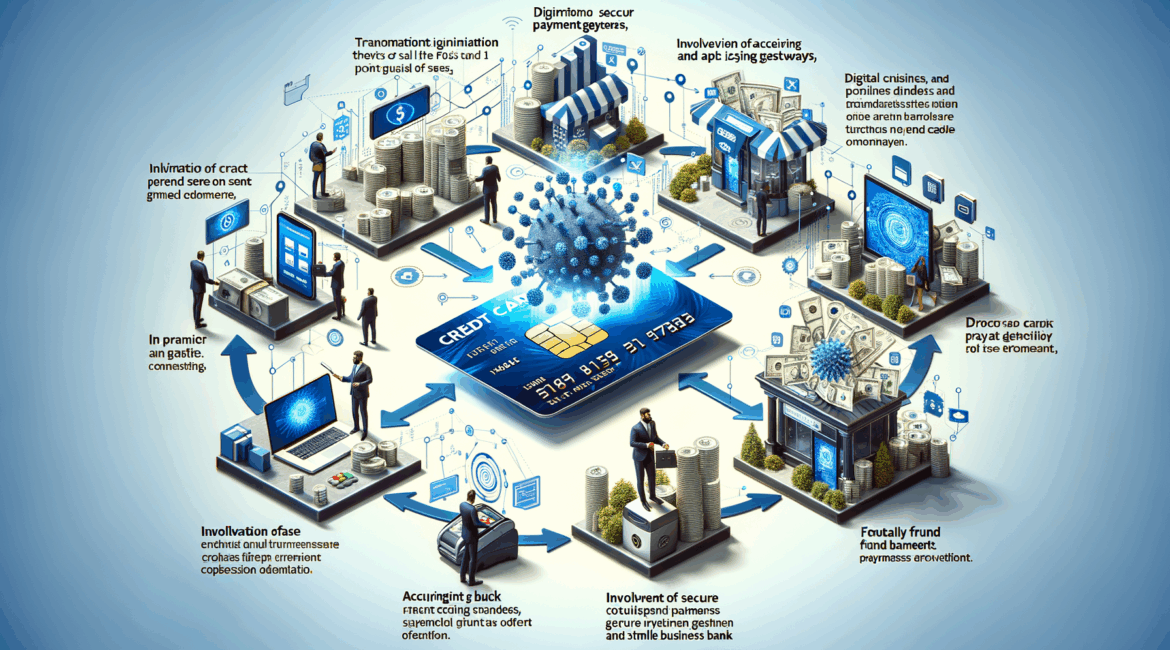
Credit card processing is an essential aspect of running a small business in today's digital age. It allows businesses to accept payments from customers using credit and debit cards, providing convenience and flexibility for both parties. Understanding how credit card processing works is crucial for small business owners to ensure...